The honest guide
How to DIY underseal your car, van or motorhome.
No gatekeeping — here's exactly how we do it, so you can too. The kit you need, the eight steps in order, and the two mistakes that quietly ruin most DIY jobs.
Should you DIY — or call us?
DIY makes sense if you're confident, properly equipped, and have a safe, level place to lift the vehicle. If any of that gives you pause, this is a job worth handing over — getting it wrong can trap moisture and make rust worse. We bring lab-proven materials, do the cavity injection most people skip, and leave you a before & after video.
See what we'd charge insteadBefore you start
The kit you'll need
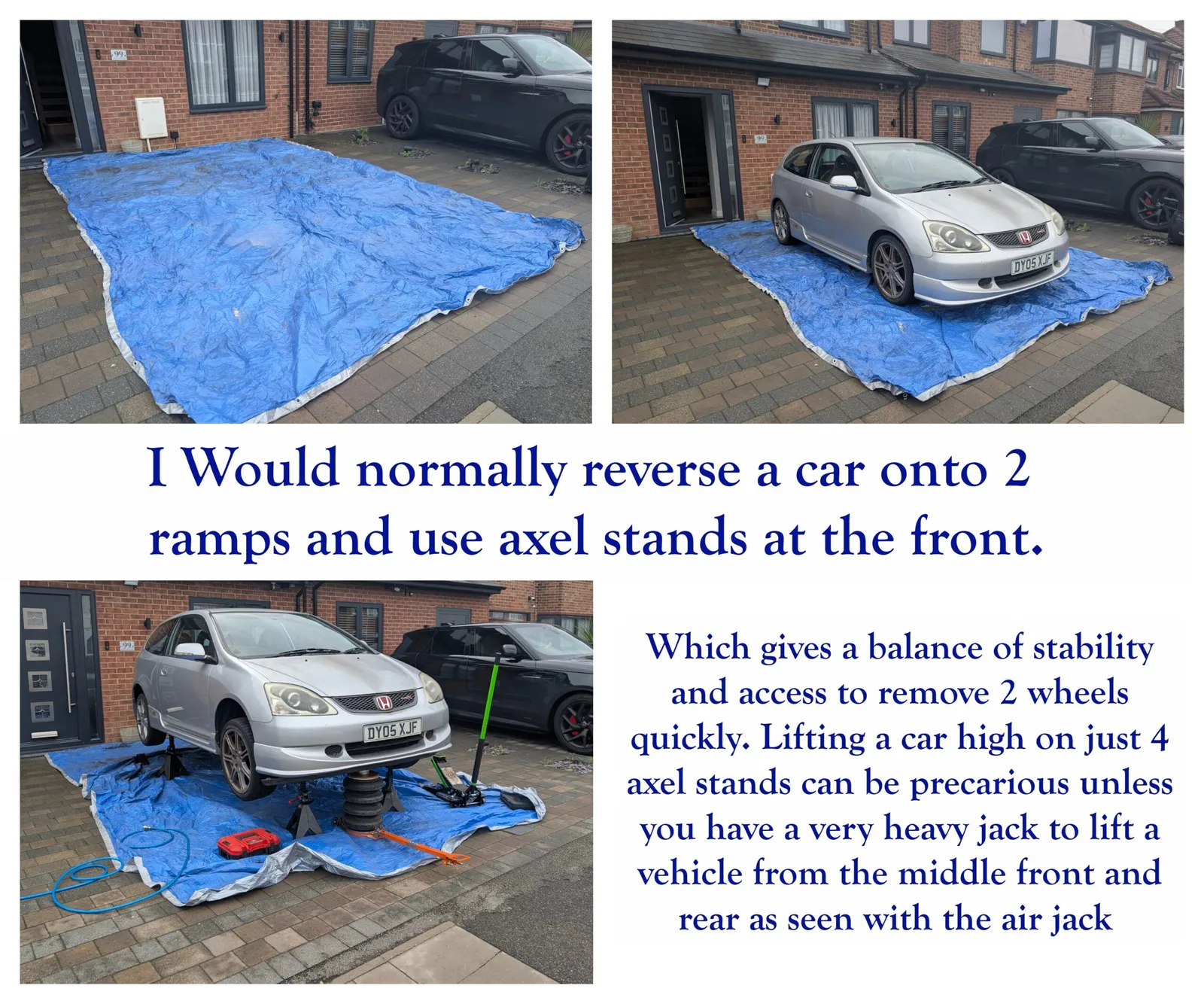
- Axle stands and a trolley jack (or ramps) — never work under a car held only by a jack
- Eye protection, a respirator mask, gloves and old clothes
- A wire brush, needle scaler or angle grinder with a wire cup for de-scaling
- Panel wipe / degreaser and clean rags for preparation
- Bilt Hamber Dynax UB for the underbody, plus a cavity wax and an injection lance for the hollow sections
- A Schutz / underbody gun (or aerosol versions for smaller jobs)
- A tarpaulin or dust sheets to protect your driveway
Diagnose → treat → protect
The 8-step method
- 01
Lift and secure the vehicle
Jack the car up and lower it onto axle stands or drive it onto ramps. Chock the wheels. Your safety is non-negotiable — never go under a vehicle on a jack alone.
- 02
Remove undertrays and clean
Take off plastic undertrays so you can reach everything. Brush off loose dirt and let the underside dry fully — sealing over damp metal is the number one cause of trapped rust.
- 03
De-scale the rust
Mechanically remove loose, flaky rust back to sound metal with a wire brush, needle scaler or grinder. You're not chasing bare metal everywhere — just removing what's loose so the coating bonds.
- 04
Degrease and mask
Wipe down with panel wipe to remove oil and grime. Mask off the exhaust, brakes, driveshafts, sensors and anywhere you don't want coating.
- 05
Inject the cavities first
This is the step most DIYers skip — and it matters most. Feed a wax lance into the sills, arches and inner chassis and inject cavity wax until it weeps from the drain holes. Rust starts inside; this is where you stop it.
- 06
Coat the underbody
Apply an even coat of Bilt Hamber Dynax UB across the whole underside. Build it up rather than flooding it — thin, consistent coverage lasts longer than thick runs.
- 07
Check and tidy
Remove masking, refit the undertrays, and check the brakes and exhaust are clear of coating. Wipe any overspray off your driveway before it cures.
- 08
Re-check each year
Have a look underneath each autumn before the salt season and touch up any chips. A small top-up beats starting again.
Good to know
DIY questions
Is it worth doing it myself?
What's the difference between Bilt Hamber Dynax and a lanolin spray?
How long will a DIY job take?
Can I just spray over existing rust?
Rather not crawl under the car?
We'll bring the lab-proven materials, do the cavity injection, and send you the before & after video — all on your driveway.